Quick Answer
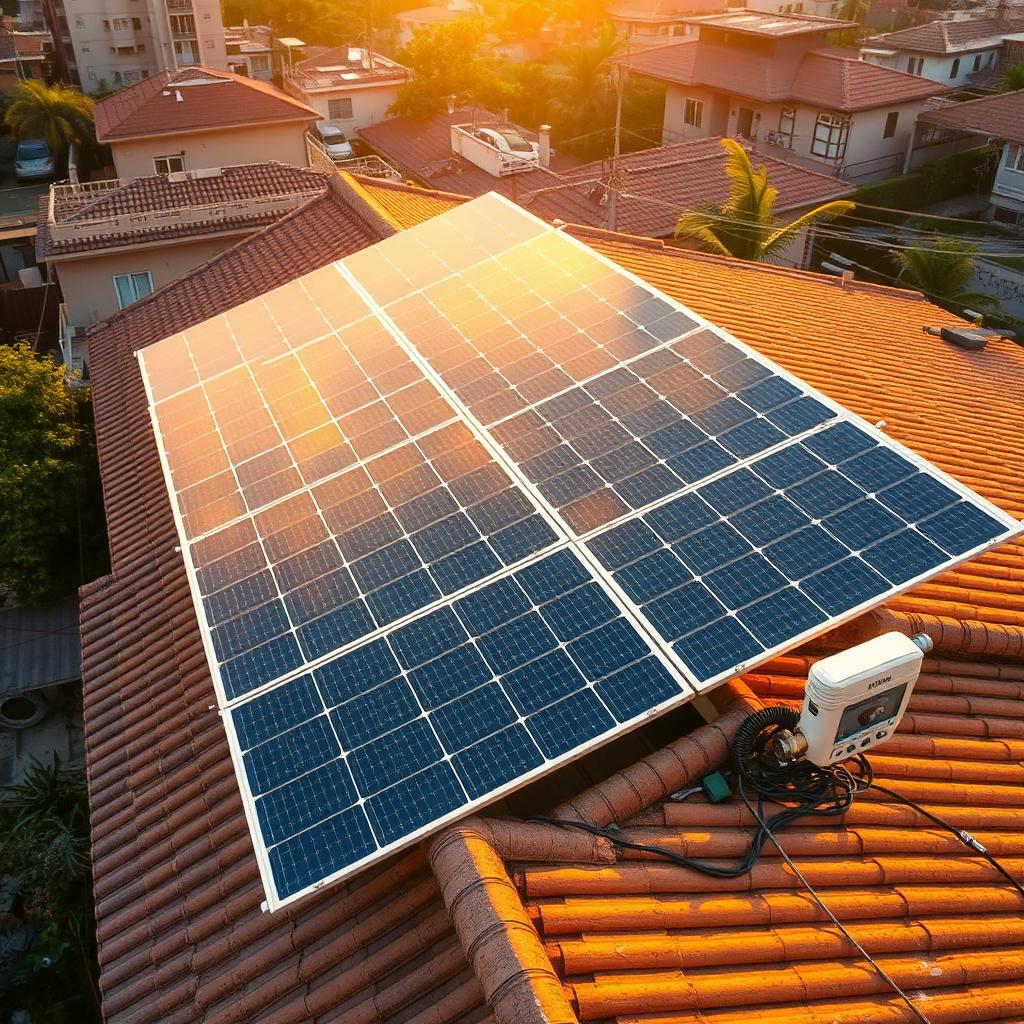
KE net metering is a NEPRA-regulated programme that lets Karachi homes and businesses install a grid-tied solar system, run loads off solar during the day, and export surplus units to the K-Electric grid through a bi-directional meter. Exported units are credited against your imported units — most consumers see a 50–80% drop in their monthly KE bill and a payback period of 3–4 years.
How KE net metering works
During daylight, your solar panels generate DC electricity that the inverter converts to AC. Your home loads consume what they need; surplus AC power flows back through the bi-directional meter into the K-Electric grid. The meter tracks imported, exported and netunits separately. At month-end, K-Electric bills you for the net consumption and credits any surplus export at the NEPRA-notified buy-back rate.
Step-by-step: apply for KE net metering
- Size your system. Audit your last 6 K-Electric bills to find average monthly units. A rule of thumb: 5kW solar generates ~600–750 units/month in Karachi sunlight.
- Pick an AEDB-certified vendor. Only AEDB-certified installers can submit a valid net-metering application to K-Electric. Insist on Tier-1 panels and a CE-certified hybrid/grid-tied inverter.
- Sign the contract. Confirm warranty (panels 25 yrs, inverter 5–10 yrs), commissioning timeline, and post-install support.
- Install and inspect. Installation takes 5–10 days. Your vendor submits the K-Electric application with single-line diagram, datasheets, CNIC and last 3 bills.
- K-Electric technical inspection. KE engineers verify safety compliance, earthing, anti-islanding and inverter spec. Pass = sign net-metering agreement.
- Bi-directional meter installation. K-Electric removes your old meter and installs a smart bi-directional meter — net metering is now active.
- Monitor monthly. Your first KE bill will show three new columns: Units Imported, Units Exported, Net Units.
System sizing & cost (Karachi, 2026)
| System size | Avg. monthly units | Approx. cost (PKR) | Best for |
|---|---|---|---|
| 3 kW | 400 – 480 | Rs. 450k – 600k | 1–2 bed flat, 1 AC |
| 5 kW | 650 – 780 | Rs. 700k – 900k | Standard 3-bed house, 2 ACs |
| 7.5 kW | 950 – 1,150 | Rs. 1.0M – 1.3M | Large house, 3–4 ACs |
| 10 kW | 1,300 – 1,550 | Rs. 1.4M – 1.7M | Villa, small commercial |
Costs are indicative; actual quotes vary by panel/inverter brand, mounting structure and battery option.
Documents required
- CNIC copy of the K-Electric account holder
- Last 3 K-Electric bills (paid)
- Solar system single-line diagram (SLD)
- Inverter and panel datasheets
- AEDB-certified installer letter
- Signed K-Electric net-metering application form
Official KE contact for net metering
Email net.metering@ke.com.pk for application status, technical queries or buy-back rate clarification. Call helpline 118 and ask for the Net Metering desk.
Net metering FAQs
Answers to the most-asked KE net metering questions.
What is K-Electric net metering?+
Net metering is a billing arrangement where K-Electric installs a bi-directional meter at your premises. Surplus solar electricity you export to the KE grid is credited against the units you import — and your monthly bill shows only the net consumption.
What is the minimum solar system size for KE net metering?+
K-Electric requires a minimum of 1kW grid-tied solar system installed by an AEDB-certified vendor. Maximum is up to the sanctioned load of your connection (typically 25kW for residential).
What documents are required to apply?+
CNIC copy, last 3 K-Electric bills, solar system single-line diagram, inverter & panel datasheets, AEDB-certified installer letter, and a signed net metering application form.
How much can I save with net metering on my KE bill?+
Most Karachi homeowners save 50–80% on their monthly KE bill. A typical 5kW system in Karachi generates 600–750 units/month and pays back the investment in 3–4 years.
What is the buy-back rate for exported units?+
Surplus units exported to the KE grid are credited at the NEPRA-notified national average power purchase price (NAPP), which is updated periodically and reflected on your monthly bill.
How long does the KE net metering process take?+
From application submission, expect 30–60 days for technical inspection, agreement signing, and bi-directional meter installation by K-Electric.
Editorially independent guide — not affiliated with K-Electric. Always verify pricing and policy with K-Electric or your AEDB-certified vendor before purchase.
Related guides
Hand-picked next-step guides — written by the same editorial team and refreshed against current NEPRA notifications.
Sanctioned Load Guide
Why your sanctioned load (kW) matters for tariff, deposit and transformer share.
Read guideNew KE Connection
Documents, security deposit and timeline to apply for a domestic or commercial connection.
Read guideCut Your KE Bill 20–40%
Inverter AC, LED, off-peak laundry and roof insulation tactics that actually move the needle.
Read guideK-Electric Tariff Schedule
Complete NEPRA-notified residential, commercial, industrial and agricultural tariff.
Read guideKE Peak Hours 2026
Current peak-hour window in Karachi and which appliances cost the most to run during it.
Read guideK-Electric FAQ
Fact-checked answers to the most common KE billing, tariff and complaint questions.
Read guide